Blog
Must-drop jackpots: what the timer guarantees and what it doesn't
Updated We read the operator paperwork
A must-drop jackpot is a progressive prize with a condition attached: it has to be awarded before it passes a stated value, or before a stated period runs out. Operator-facing guides describe the varieties as daily, hourly, and the "before it reaches X" form, where the pot is configured to pay out before it passes a defined ceiling. The promise is real. What it is a promise about is the pot, not your spin, and keeping those two apart is the whole of the analysis.
On this page5 sections
21+. Play only where your state regulator allows it. We take a commission from some operators; it never moves a room up the list. Gambling problem? Call the National Problem Gambling Helpline, 1-800-MY-RESET (1-800-697-3738).
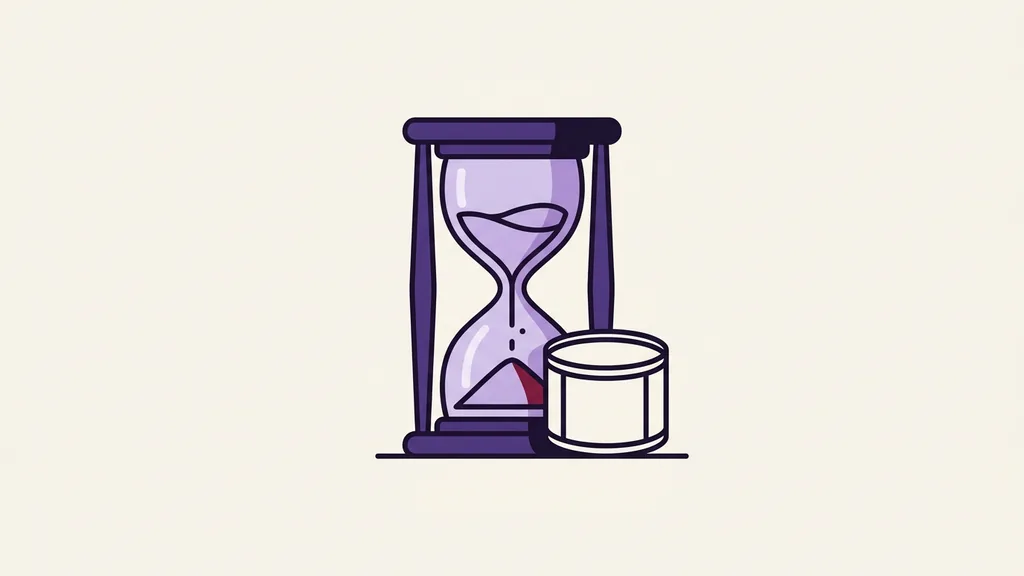
How the money gets into the pot
The funding mechanism is the same as any progressive. A small contribution is taken from each qualifying bet and accumulates on top of a seeded base until the trigger condition pays it out; guides put typical contribution rates in the range of one to five percent of the stake. On network jackpots the pool is supplied and funded across all the operators running that game, which is why the figure on screen can climb faster than one site’s traffic would explain.
Two consequences follow immediately.
Your base game is paying for it. The contribution comes out of the same stake that funds the paytable. Industry material notes that the jackpot contribution is normally already factored into the advertised return figure — meaning the quoted number covers base game plus jackpot, and the base game alone returns less than the headline.
Somebody else’s money is in the pot. A pot near its ceiling was filled mostly by players who have already lost their contributions. That is not a trick; it is the structure, and it has a consequence worth acting on.
Why a full pot is better value, and in what sense
If the contribution is already paid and the prize is awarded within a bounded window, the expected value of a spin rises as the pot grows — you are buying the same ticket into a bigger prize. That is a genuine effect, and it is the honest case for preferring a near-deadline pot over a freshly seeded one.
What does not change is the chance that the winning ticket is yours. A deadline makes a prize feel imminent; it does nothing to make any single spin more likely to be the winning one. On a game where the drop is selected randomly within a range, the pot can be awarded at any point inside that range — including at the very start of it.
Eligibility: the clause that decides whether you were in the draw at all
The game’s own terms set who qualifies, and this is where players lose a claim they thought they had:
- Minimum bet. Many jackpot games require a stake at or above a threshold for the spin to be eligible. A spin below it contributes nothing and wins nothing.
- Bet-proportional odds. On some designs the chance of triggering scales with the stake, so a minimum-bet spin is eligible but weighted lower.
- Game and build. The jackpot is attached to a specific approved build of a title; another site’s version of the same game may carry no jackpot at all. On how one title ships in several configurations, see one slot, several RTP builds.
- Bonus funds. Where a wagering requirement is running, terms frequently exclude or limit jackpot eligibility; check before assuming a bonus balance is in the draw. The mechanics are in playthrough, rollover, wagering.
Reading the screen in the right order
- Note the ceiling or deadline — "must drop before $5,000" and "drops daily" are different structures with different value profiles.
- Note the current value against that ceiling. The ratio is the only number that tells you whether the pot is nearly funded.
- Note the minimum qualifying bet, then compare it with the stake you were going to use anyway. If the qualifying stake is above your normal bet, the jackpot is costing you more than the contribution.
- Note whether the quoted return includes the jackpot.
What this means over a year, not a session
A must-drop structure moves money between players rather than creating it: contributions from many spins fund one award, and the guarantee only fixes the timing. A player who treats these games as ordinary slots with a side lottery, and who sizes bets by the base game rather than by the headline prize, has read them correctly. A player who raises stakes as the deadline approaches has bought a larger share of the same unchanged chance.
For the other numbers on the same screen — the maximum multiplier and the ways-to-win count — see what a 5,000x cap means and 117,649 ways.
Which brands carry which jackpot networks per state is on the casino hub and the state pages, New Jersey and Pennsylvania.
Where this belongs on the site
The standing pages behind this post.
 The Naughty Poker blog
What changed this week in US online poker and casino play, and the long reads that go behind it. 21+.
BlogOpen West Virginia Online Casinos
Legal online casinos are live in West Virginia under a new law that modernized gambling in the state. Read what to…
CasinosOpen VIP Casino Rewards
Learn how VIP casino rewards work in the USA. Plain tips, examples, risks, and state rules. Check perks, tiers, and…
CasinosOpen Fast-Paying Casinos
Learn how to choose online casinos that pay out fast. Simple steps, safe payment methods, and clear rules for quick…
CasinosOpen Hard Rock Casino Bonus
Hard Rock Online Casino offers a $1,000 deposit bonus plus $25 free on sign-up.
CasinosOpen Hollywood PA Casino Review
Hollywood online casino is live in Pennsylvania. Claim a $10 free money offer - deposited instantly - and up to $500…
CasinosOpen